


Essential Tips for Getting Your Garden Ready This Spring

Spring is the perfect time to prepare your garden for a season of growth and beauty. After months of cold weather, your garden needs attention to thrive. Getting your garden ready now sets the stage for healthy plants, vibrant flowers, and a bountiful harvest. This guide offers practical steps to help you start strong and enjoy your outdoor space all season long.

Clear Out Winter Debris
The first step is to remove any leftover debris from winter. Dead leaves, broken branches, and old mulch can harbor pests and diseases. Use a rake or garden fork to clear these materials from flower beds, vegetable patches, and around shrubs.
Dispose of debris properly to avoid spreading disease.
Check for signs of mold or fungus on plants and remove affected parts.
Prune dead or damaged branches from trees and shrubs to encourage new growth.
Clearing out debris not only improves the garden’s appearance but also creates a healthy environment for new plants.
Test and Improve Your Soil
Healthy soil is the foundation of a thriving garden. Testing your soil helps you understand its pH and nutrient levels. You can buy a simple soil test kit or send a sample to a local extension service.
Based on results, add amendments like compost, lime, or sulfur to balance pH.
Incorporate organic matter such as aged manure or leaf mold to improve soil texture and fertility.
Avoid working the soil when it’s too wet to prevent compaction.
Improving soil quality ensures your plants get the nutrients they need to grow strong.
Plan Your Garden Layout
Take time to plan what you want to plant and where. Consider sunlight, soil type, and plant spacing.
Group plants with similar water and light needs together.
Rotate vegetable crops to prevent soil depletion and reduce pests.
Leave space for pathways to make maintenance easier.
A well-thought-out layout helps your garden stay organized and productive throughout the season.
Start Seeds Indoors
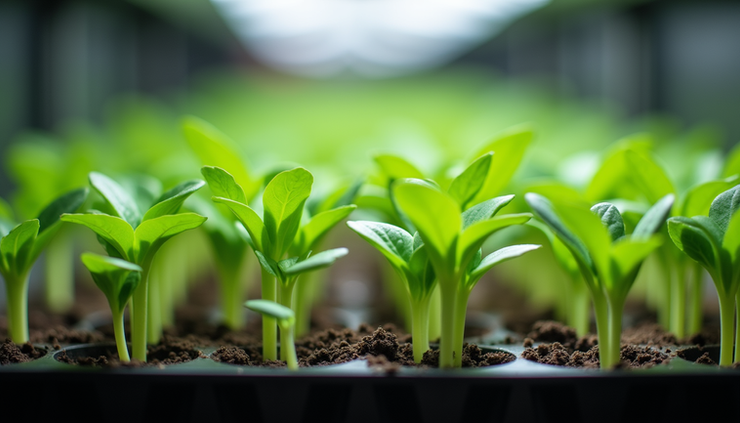
Starting seeds indoors gives plants a head start before outdoor planting. Use seed trays or small pots with quality seed-starting mix.
Keep seeds moist but not waterlogged.
Provide plenty of light, either from a sunny window or grow lights.
Harden off seedlings by gradually exposing them to outdoor conditions before transplanting.
Starting seeds indoors can extend your growing season and increase your plant variety.
Prepare Garden Beds and Containers
Before planting, prepare your garden beds and containers.
Loosen the soil with a garden fork or tiller.
Add compost or slow-release fertilizer to provide nutrients.
For containers, use fresh potting mix and ensure proper drainage.
Well-prepared beds and containers support healthy root development and plant growth.
Check and Repair Garden Tools
Spring is a good time to inspect your tools.
Sharpen blades on pruners, shears, and hoes.
Clean and oil tools to prevent rust.
Replace broken handles or worn parts.
Having reliable tools makes garden work easier and more enjoyable.
Set Up Irrigation Systems
Efficient watering is key to a successful garden.
Check hoses, sprinklers, and drip irrigation for leaks or clogs.
Consider installing a timer to water early in the morning or late in the evening.
Mulch around plants to retain moisture and reduce watering needs.
Proper irrigation saves water and keeps plants healthy.
Protect Against Pests and Wildlife
Spring brings pests that can damage young plants.
Use row covers or netting to protect seedlings.
Encourage beneficial insects like ladybugs and lacewings.
Apply organic pest control methods if needed, such as neem oil or insecticidal soap.
Taking preventive measures helps maintain a balanced garden ecosystem.
Plan for Seasonal Maintenance
Regular care keeps your garden thriving.
Schedule weekly weeding to prevent competition for nutrients.
Monitor plants for signs of disease or stress.
Deadhead flowers to encourage more blooms.
Consistent maintenance leads to a more beautiful and productive garden.

Comments